Architecture
Our event architecture is modular and composable, designed to support events of any size or scale. Consistency in materials, finishes, furniture, and signage will create implicit cues that support our visual language. Approaching architecture as a collection of systems and principles enables creative solutions while ensuring a common look and feel. Rather than looking at architecture in a subjective manner, we will define basic principles that are systematic in nature. Creative design can and should happen through the use of these principles.
Design approach
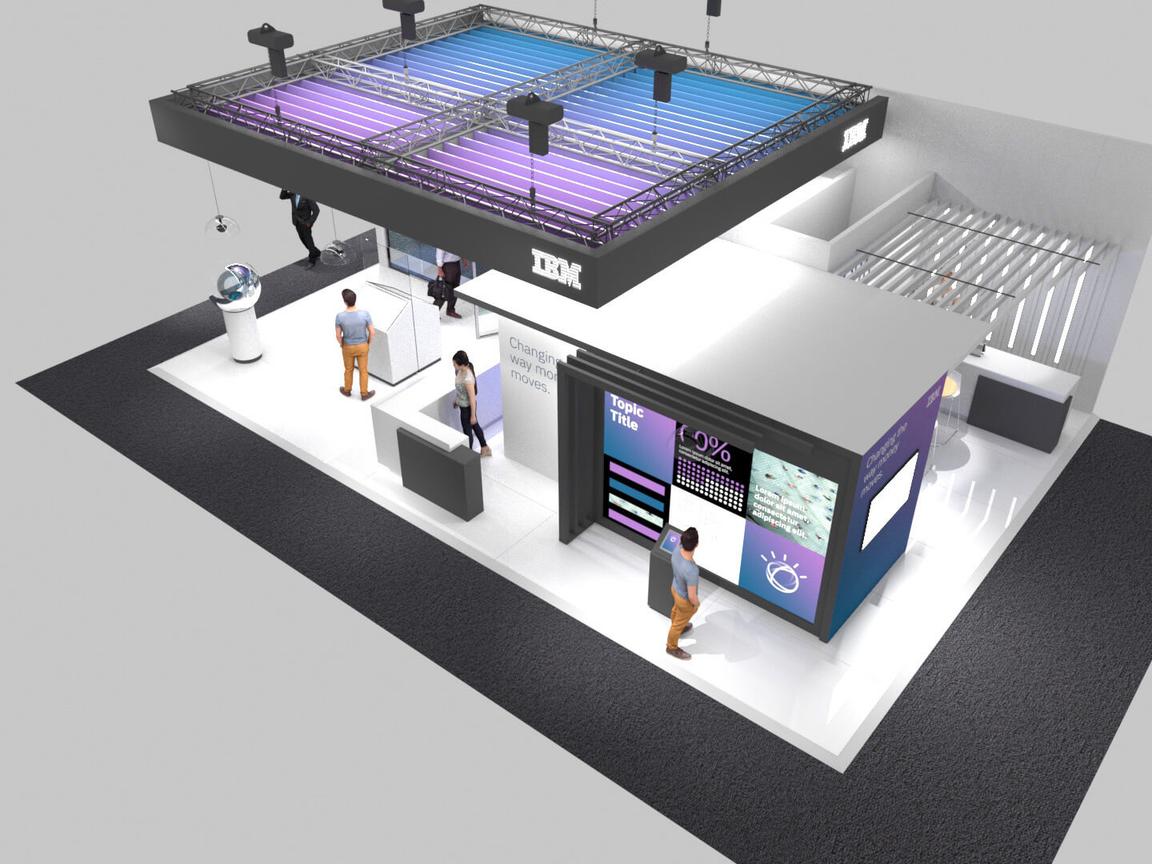
Our approach to architecture and form is modular, supporting a broad range of event executions. This neutral design language serves to elevate bold expressions of the IBM brand and dynamic content. Focus on simple, clean geometric forms. Explore the juxtaposition of shapes, materials, light, and color. Use the IBM grid to create implied volume through cantilevered elements. Consider repetition of structures to create proportional relationships between spaces and content.
Visual inspiration
The following images are examples of how these design principles can apply to both temporary event executions and permanent fixed architecture. A shared design vocabulary will bring more continuity to user experiences across all our physical expressions.
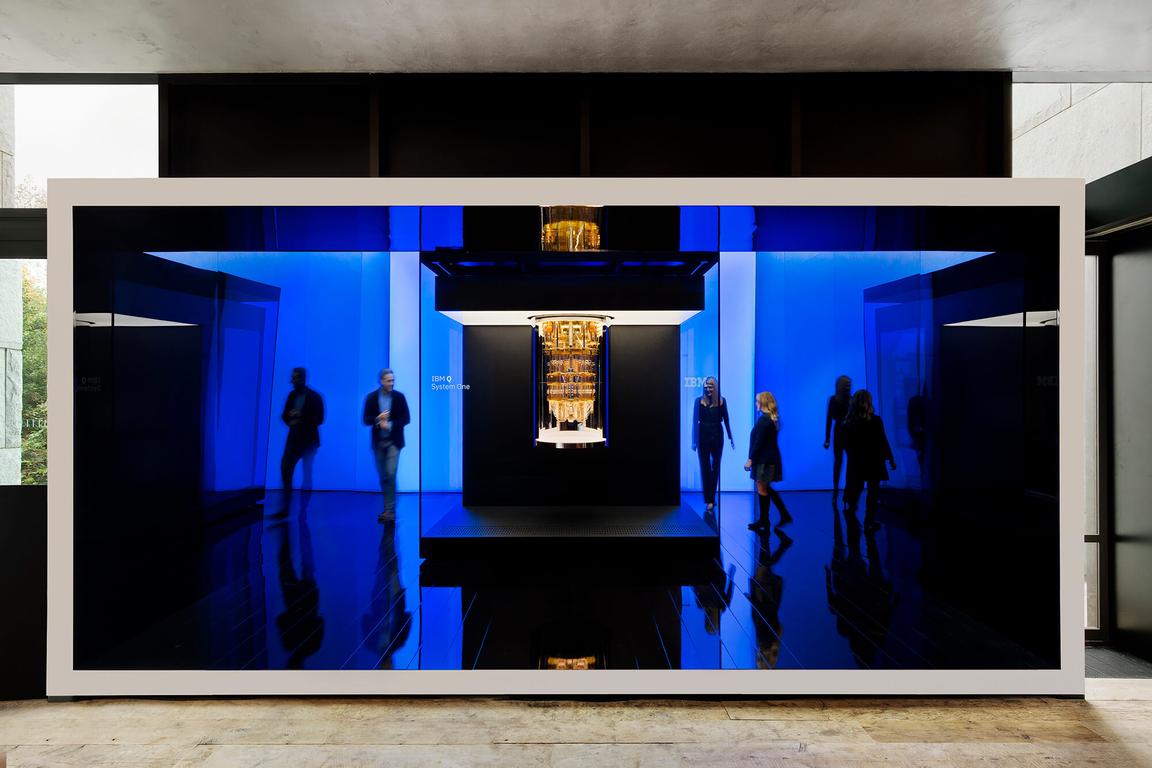
Basic geometric forms
Material contrast
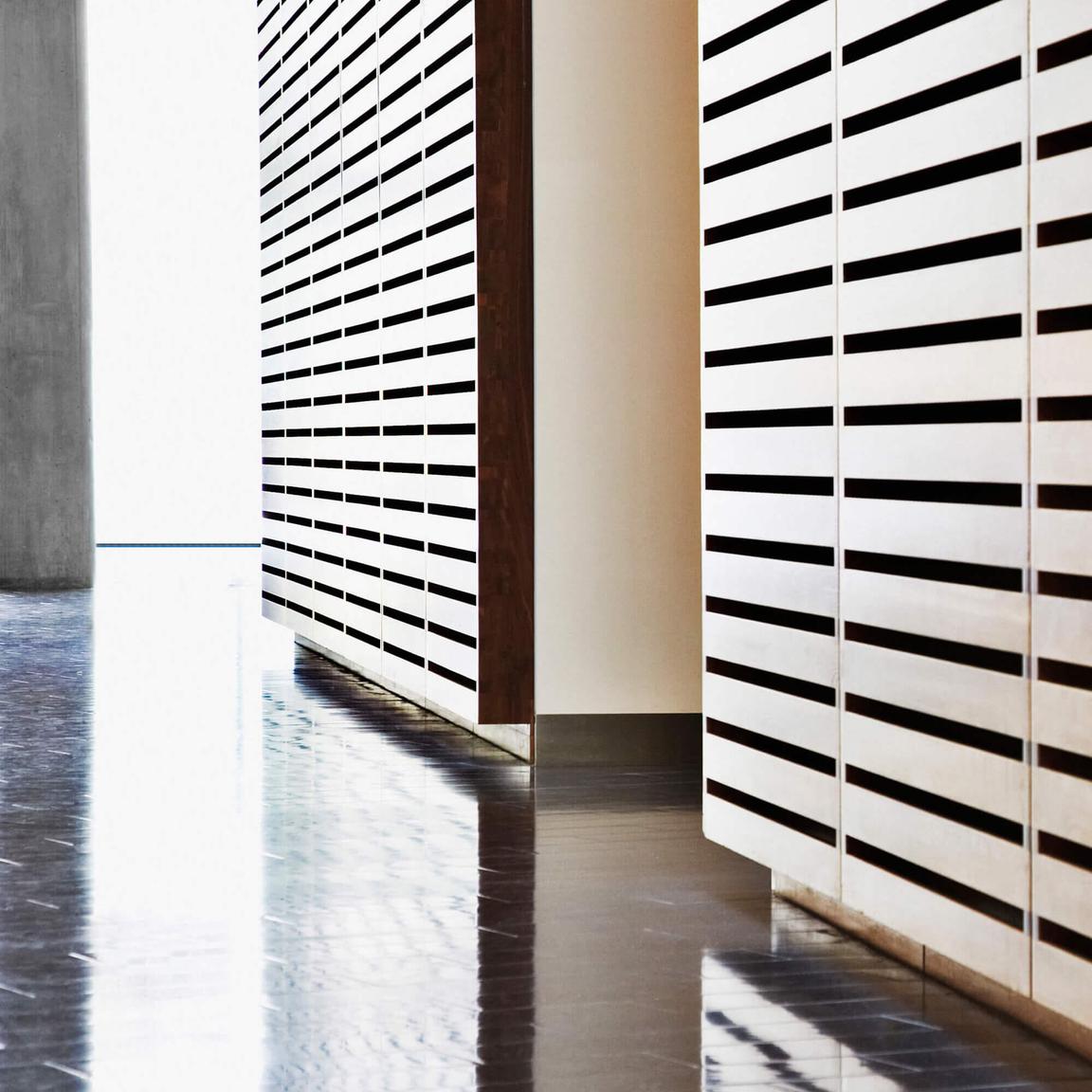
Repetition of pattern
Linear systems reinforce our identity
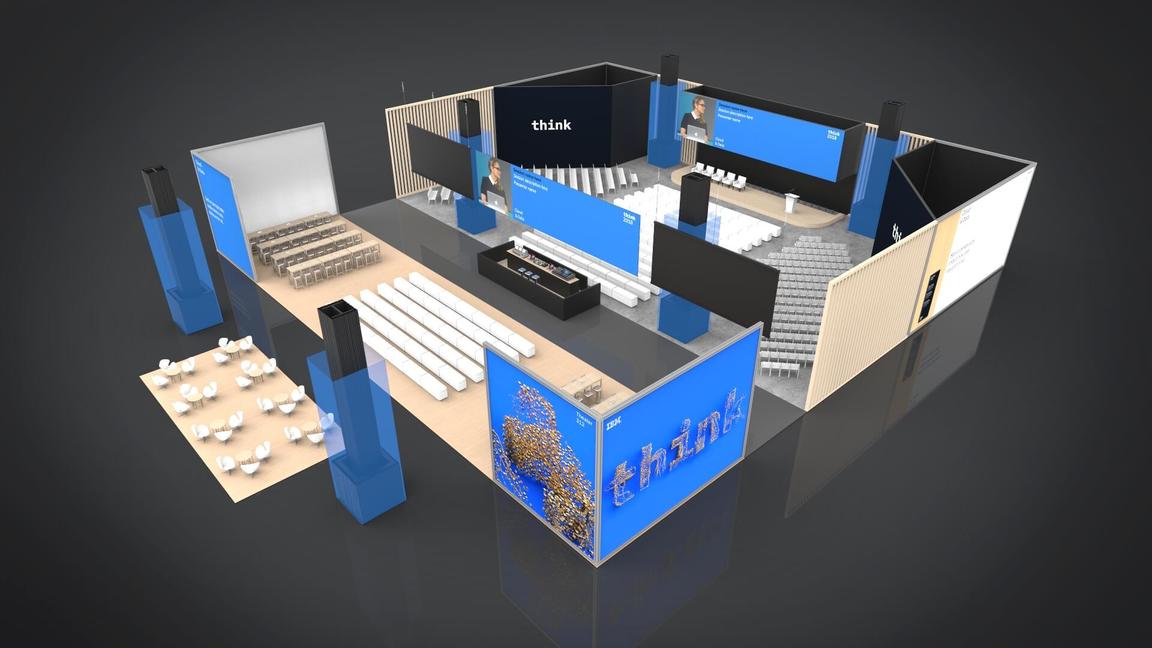
Proportional relationships create implied space based on the IBM grid
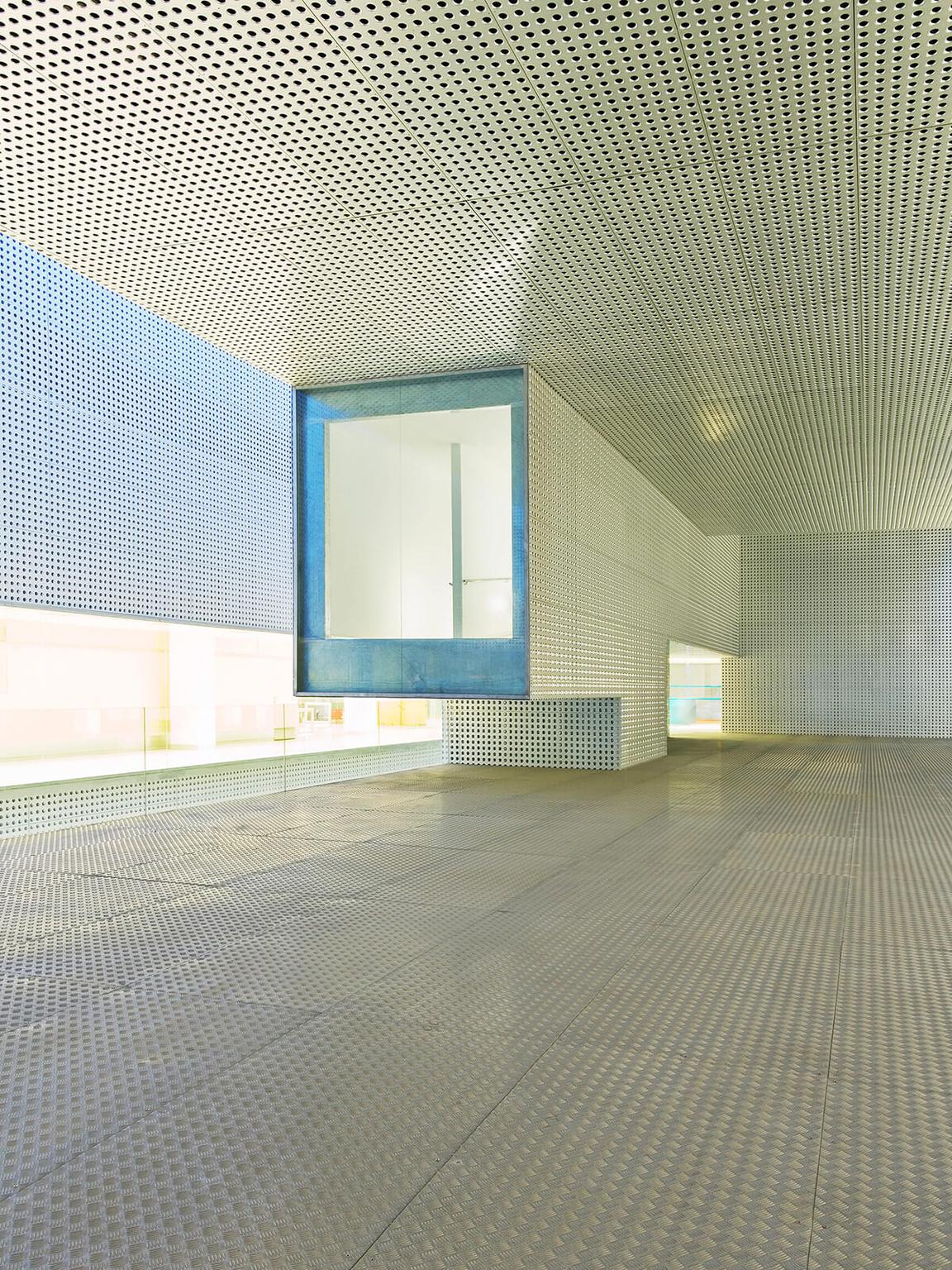
Cantilevered geometry and monolithic use of material and pattern
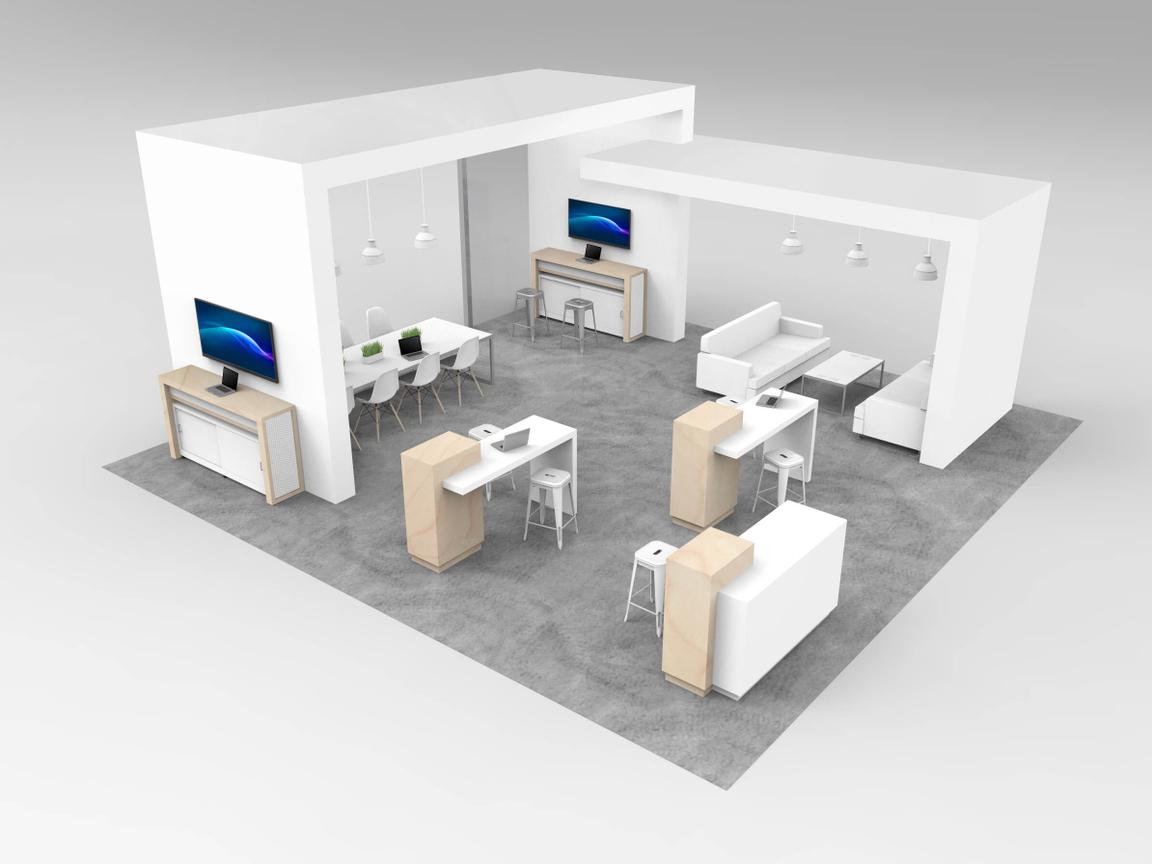
Shared proportional relationships between architecture and furniture
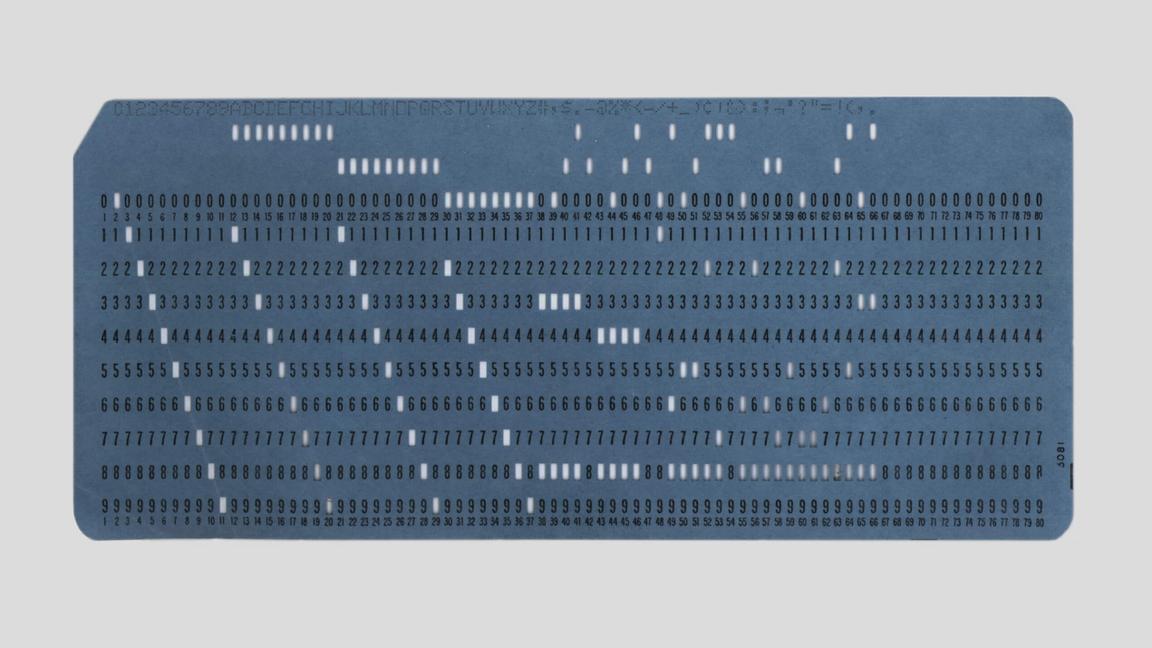
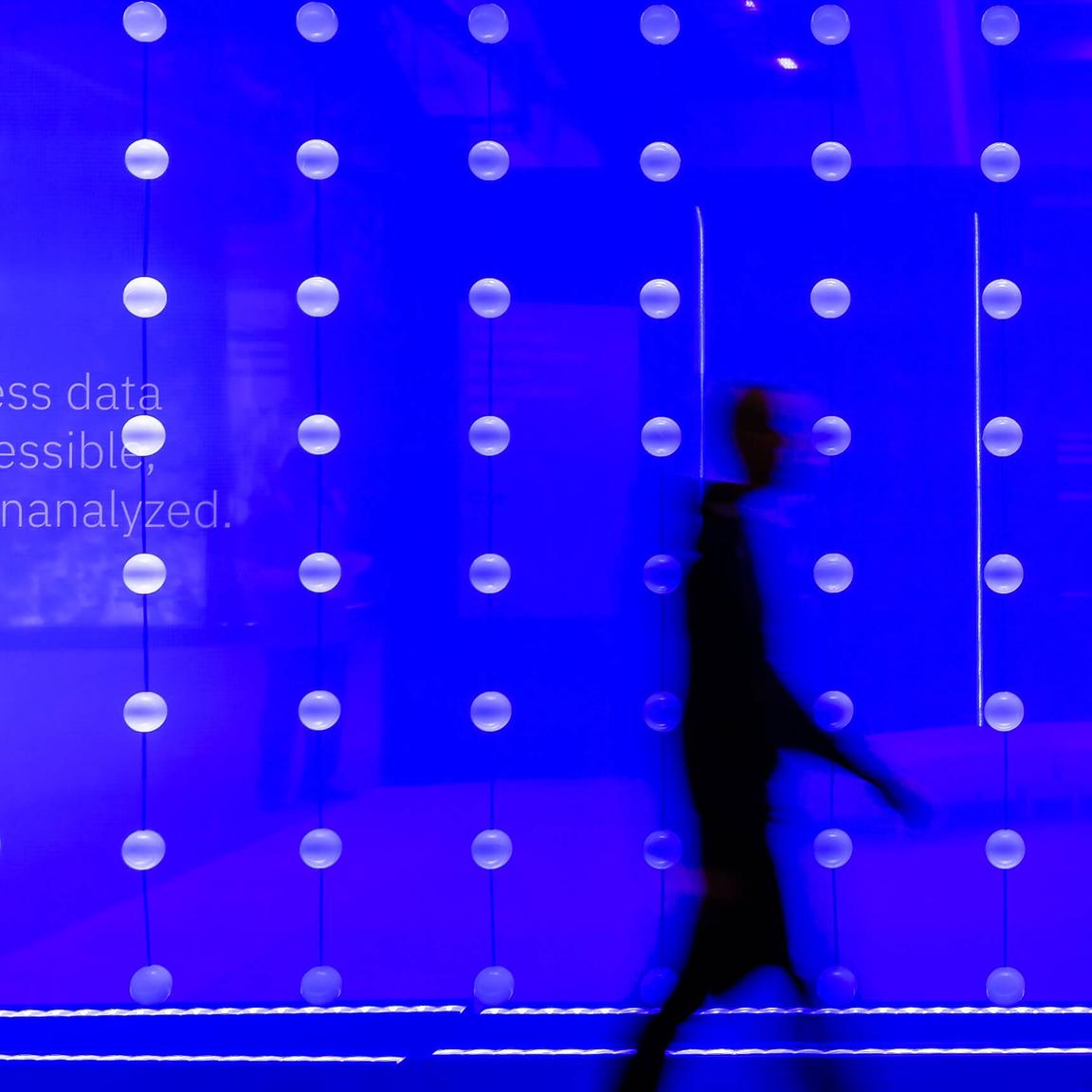
Iconic pattern leveraged through architecture, light, and graphics
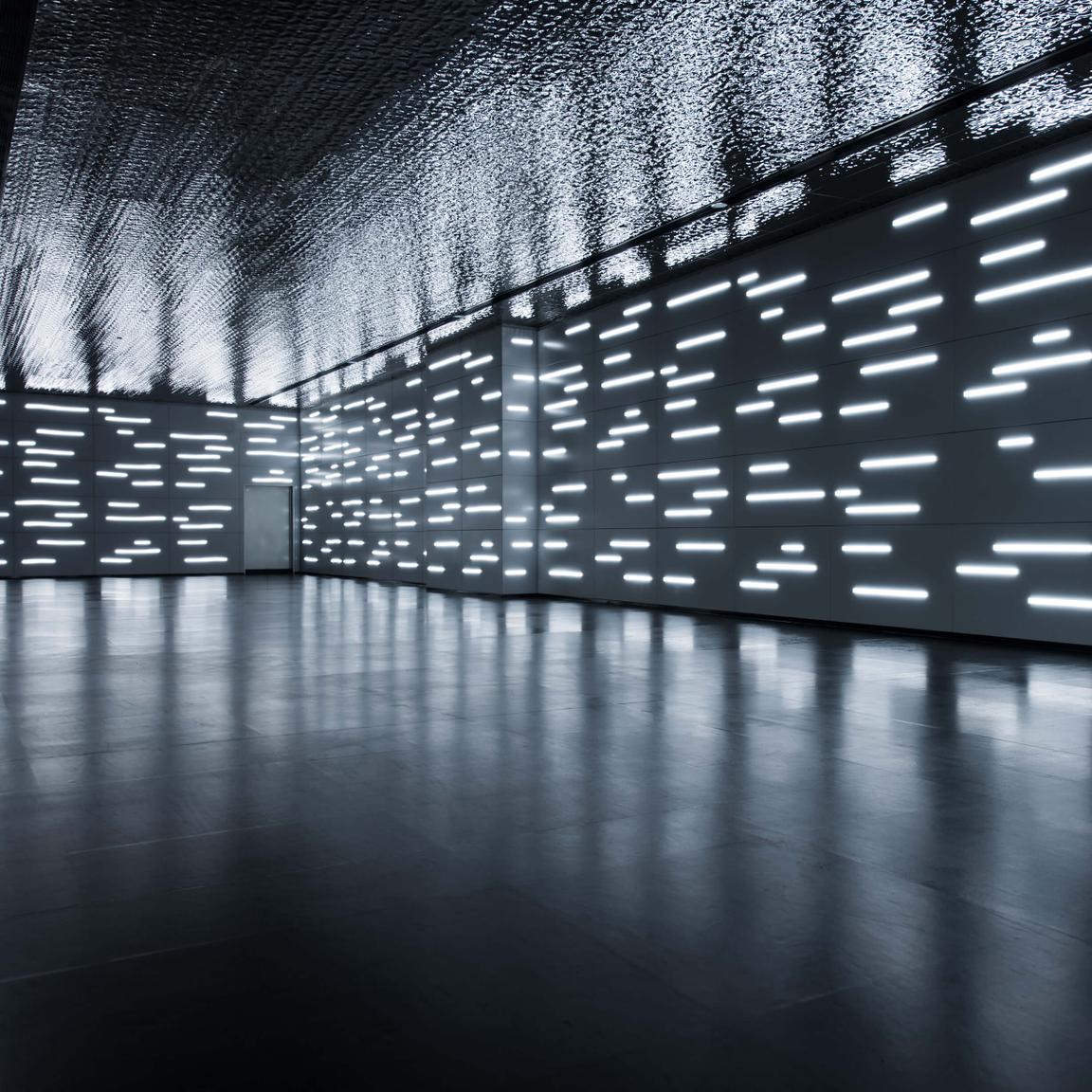
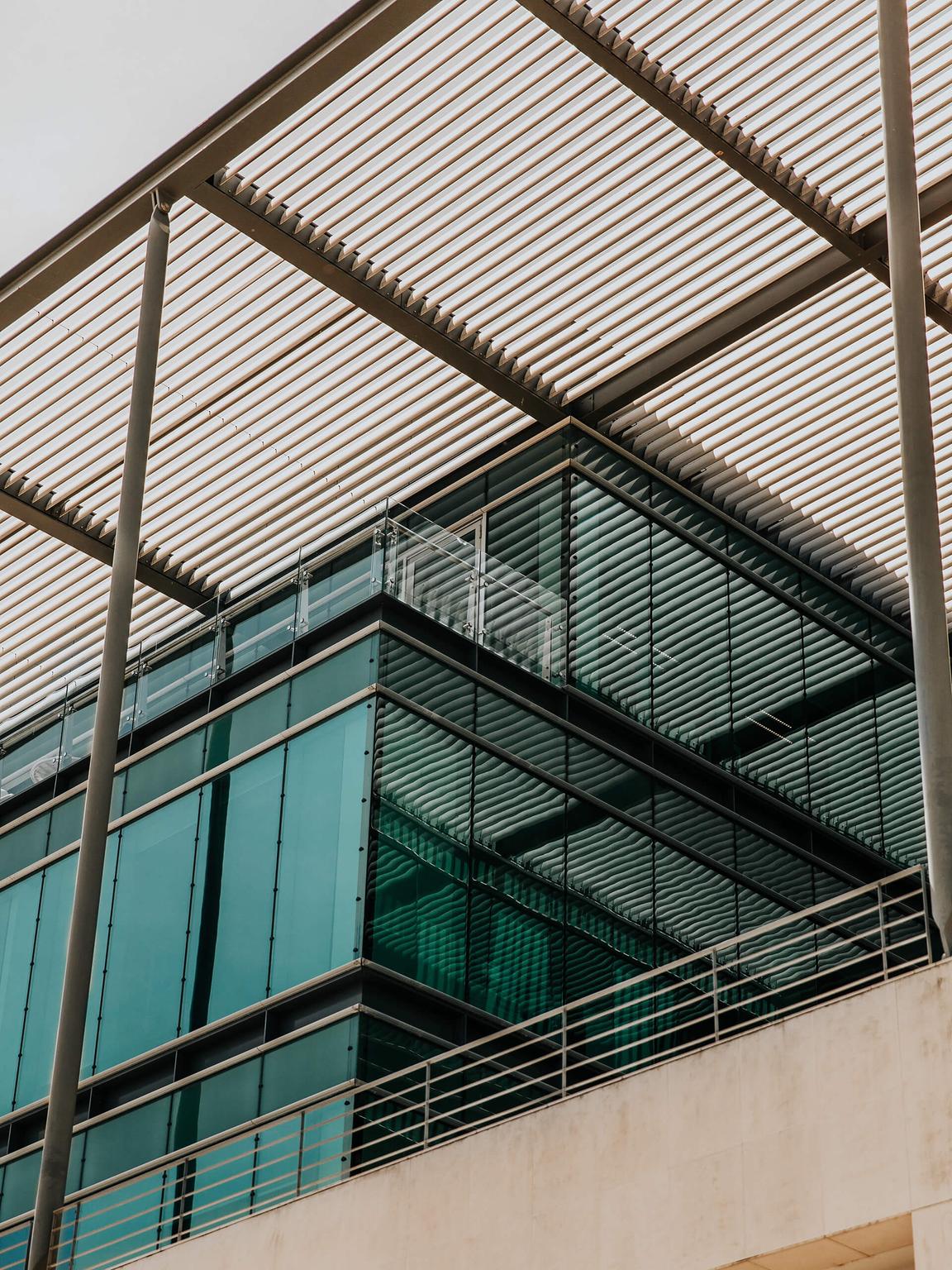
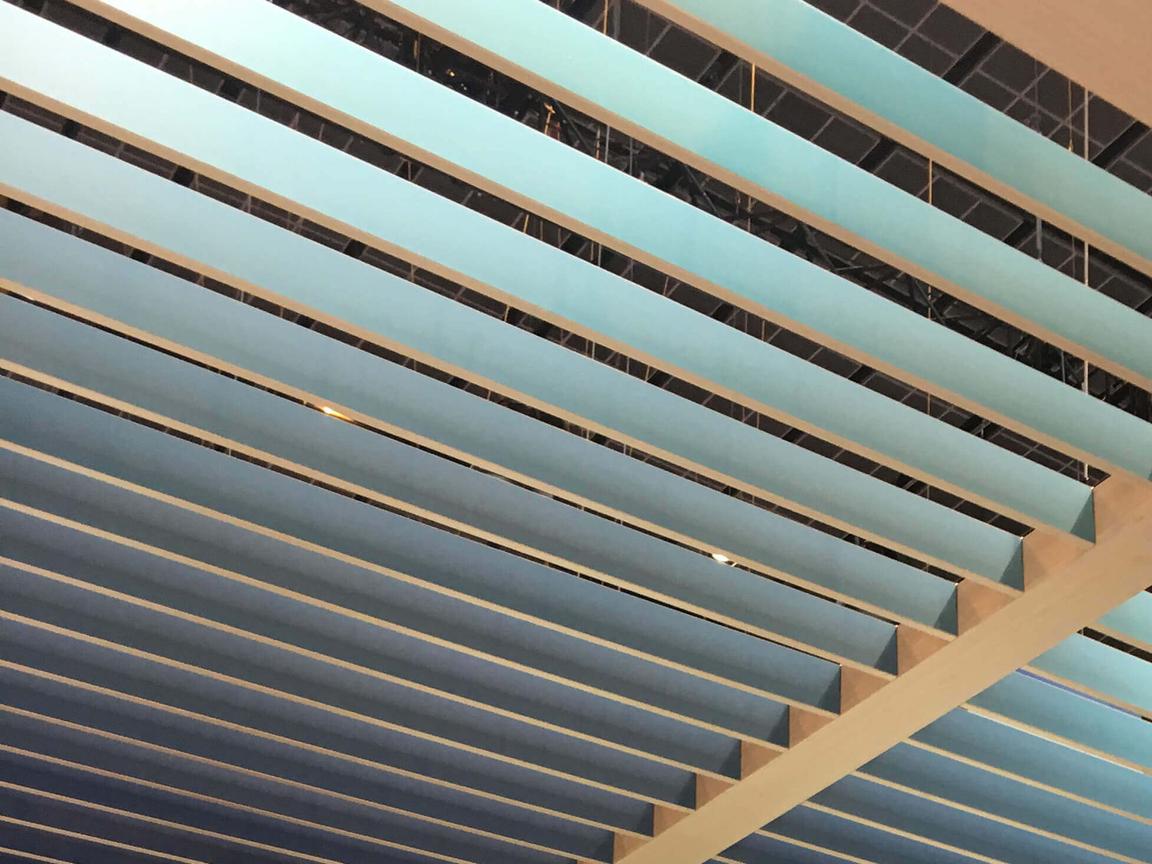
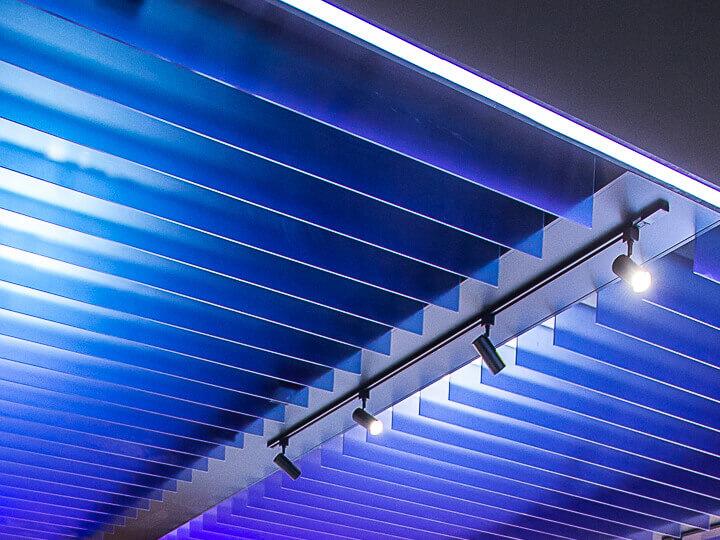
Repetition of linear geometry across different substrates and materials
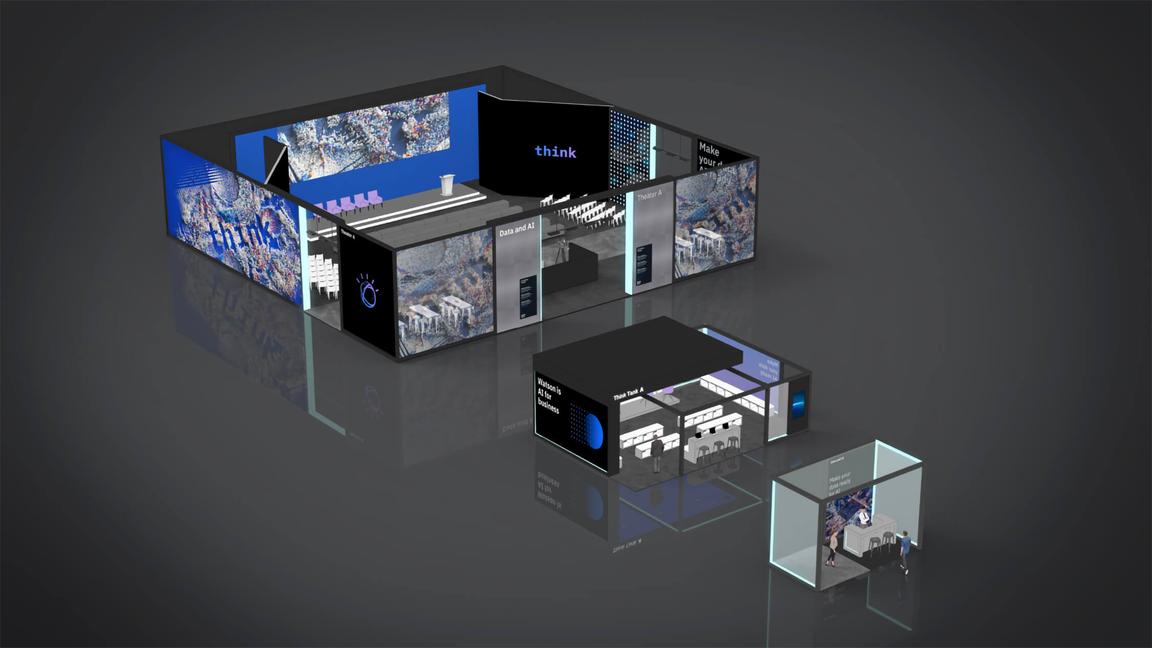
Shared proportions and geometry at different scales
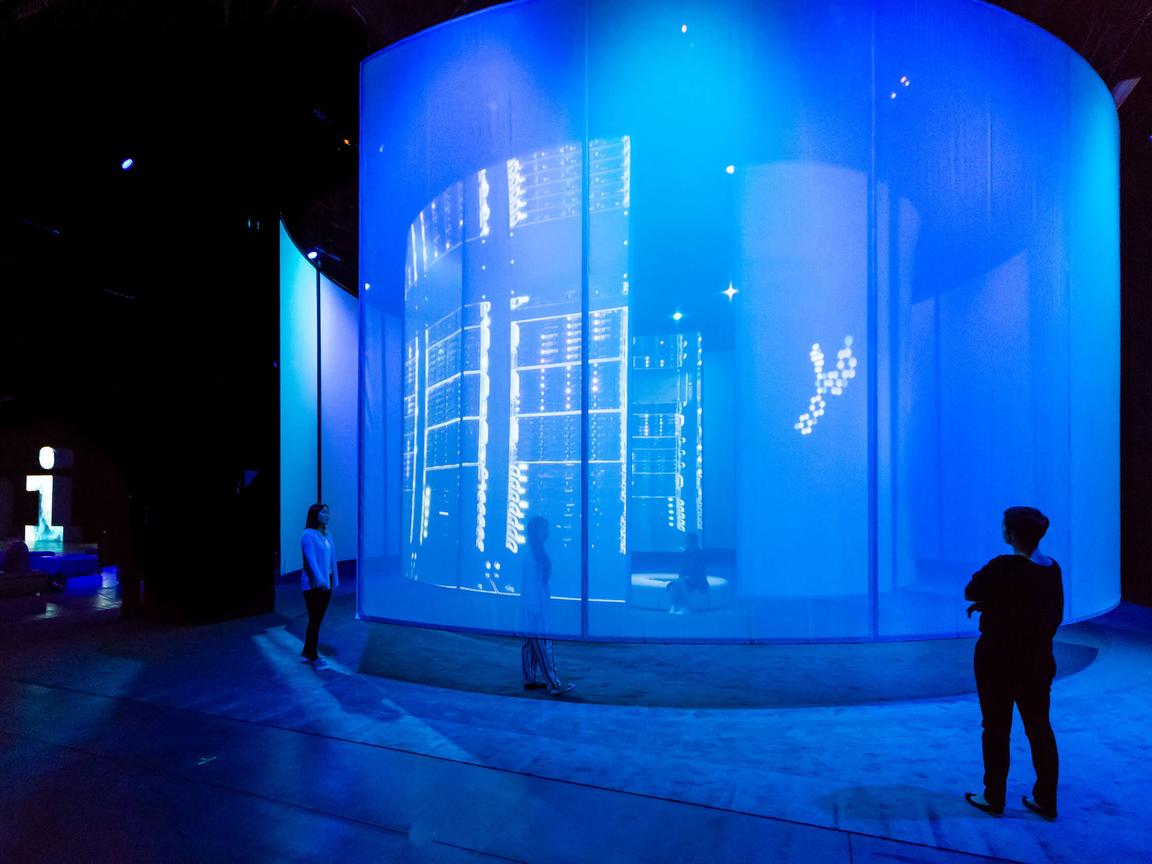
Transculent materials invite further exploration
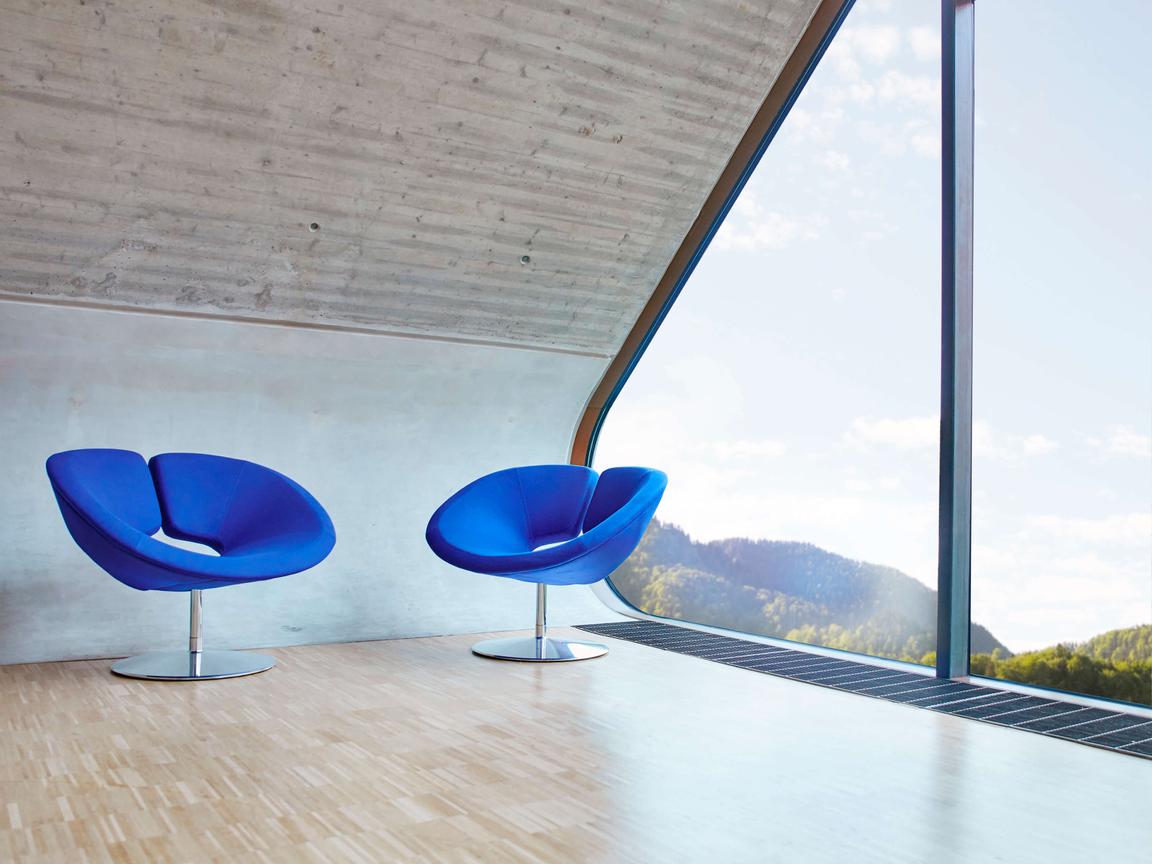
Accent furniture and color
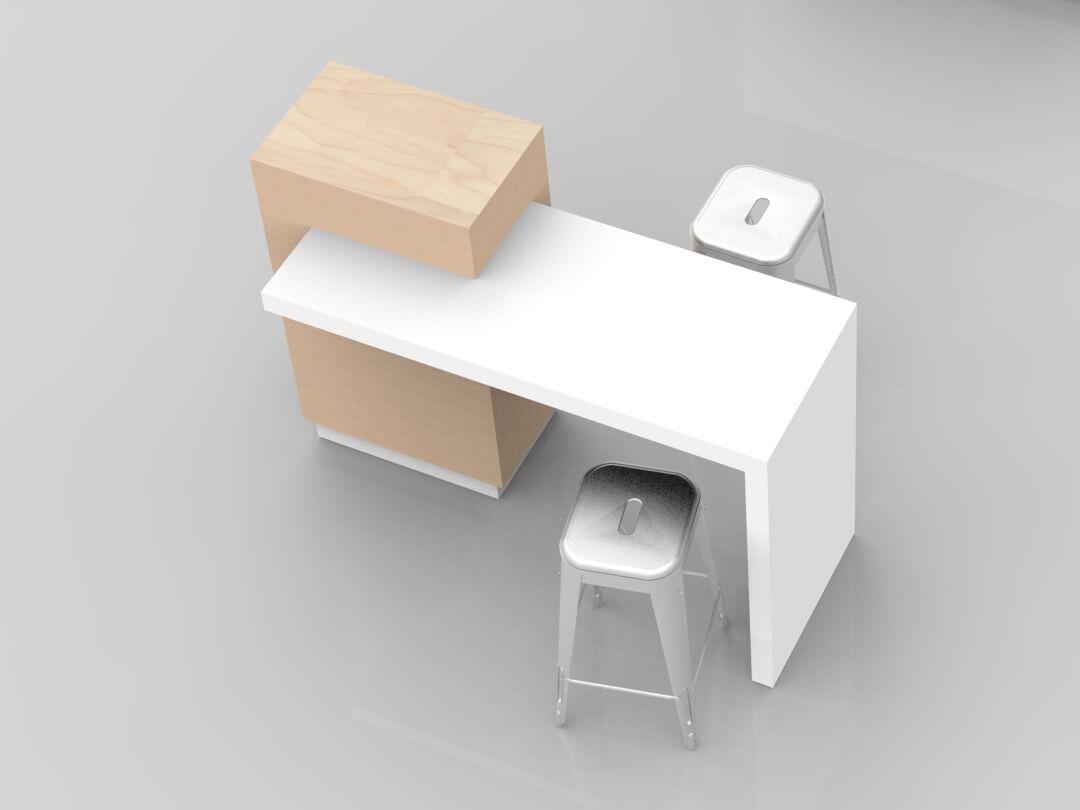
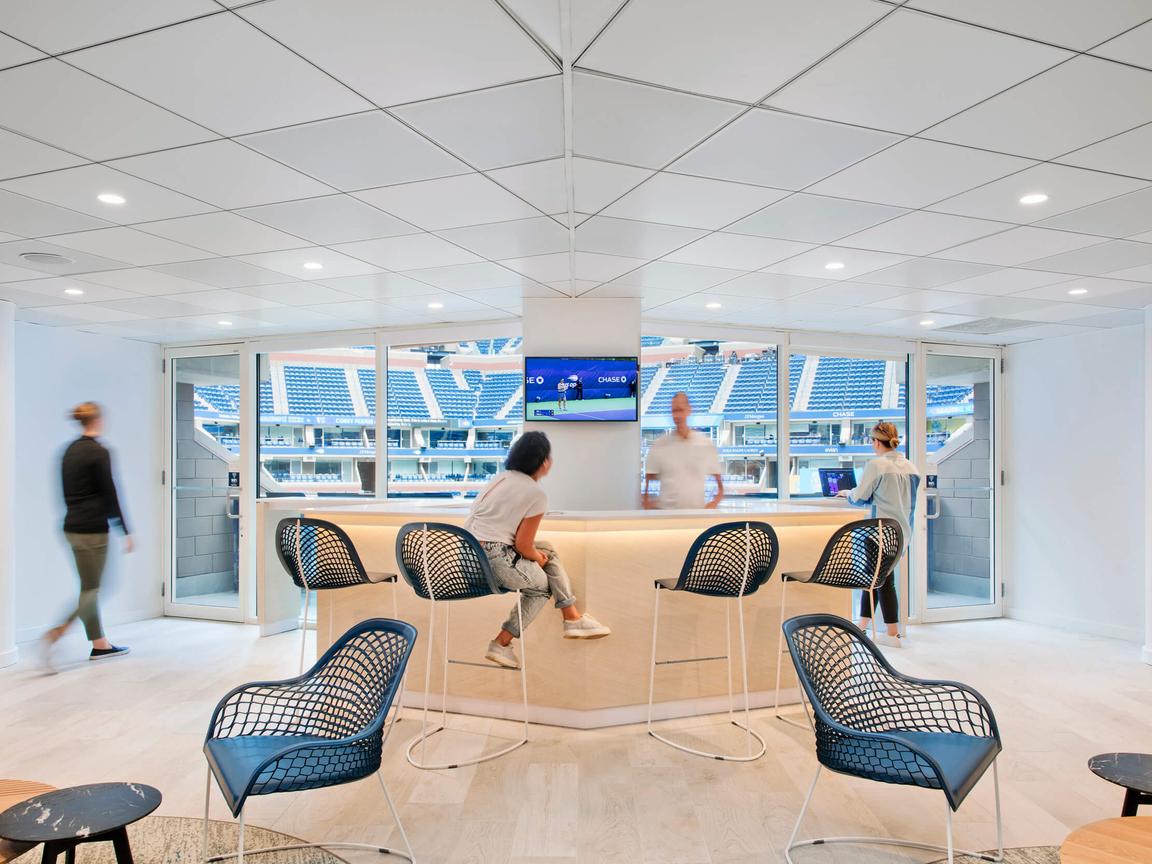
Working environments reinforce core material palette
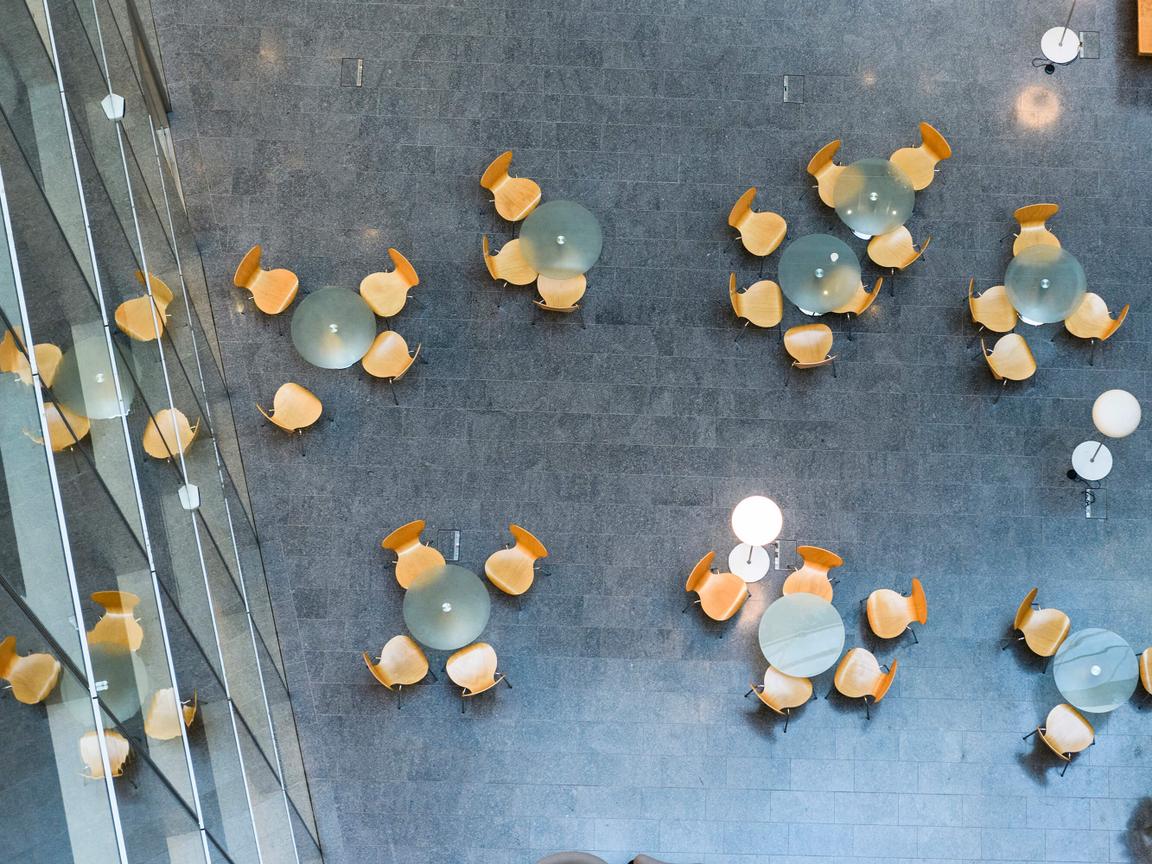
Contrast of warm and cool finishes