Overview
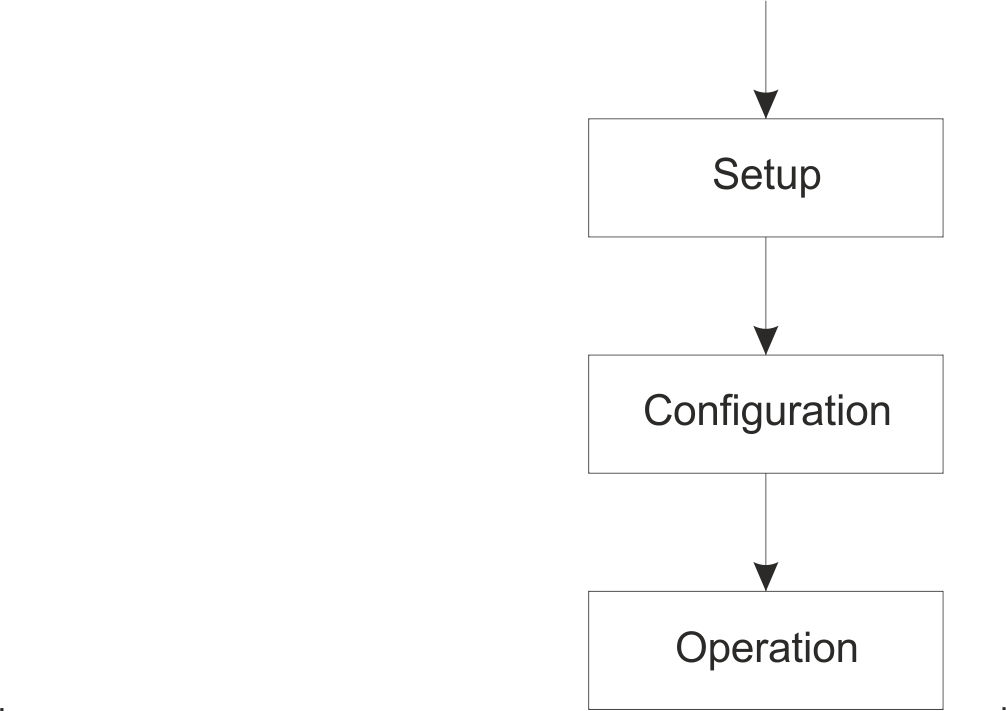
Set up, configure, and manage virtual servers.
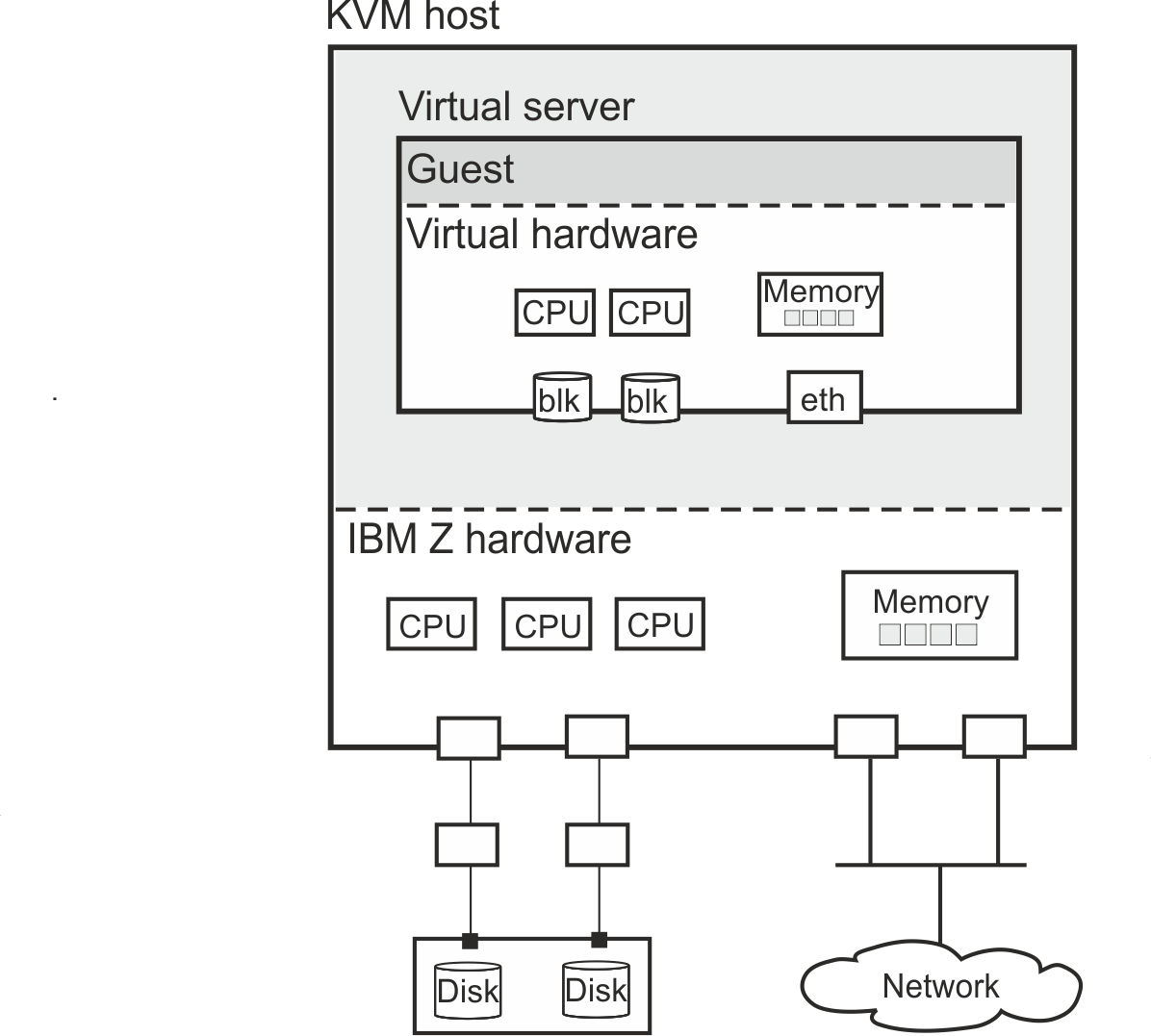
A KVM virtual server consists of virtualized IBM Z® resources that comprise processor, memory, and I/O capabilities as provided and managed by KVM. A virtual server can include an operating system. Throughout this book, the term virtual server is used for a KVM virtual server. In the libvirt documentation, a virtual server is called a domain.
A KVM guest or guest is an operating system of a virtual server. In the QEMU or libvirt documentation, sometimes a virtual server is also referred to as a guest. Do not confuse this term with the preceding definitions.
The KVM host is the Linux™ instance that runs the KVM virtual servers and manages their resources. In the libvirt documentation, a host is also called a node.